
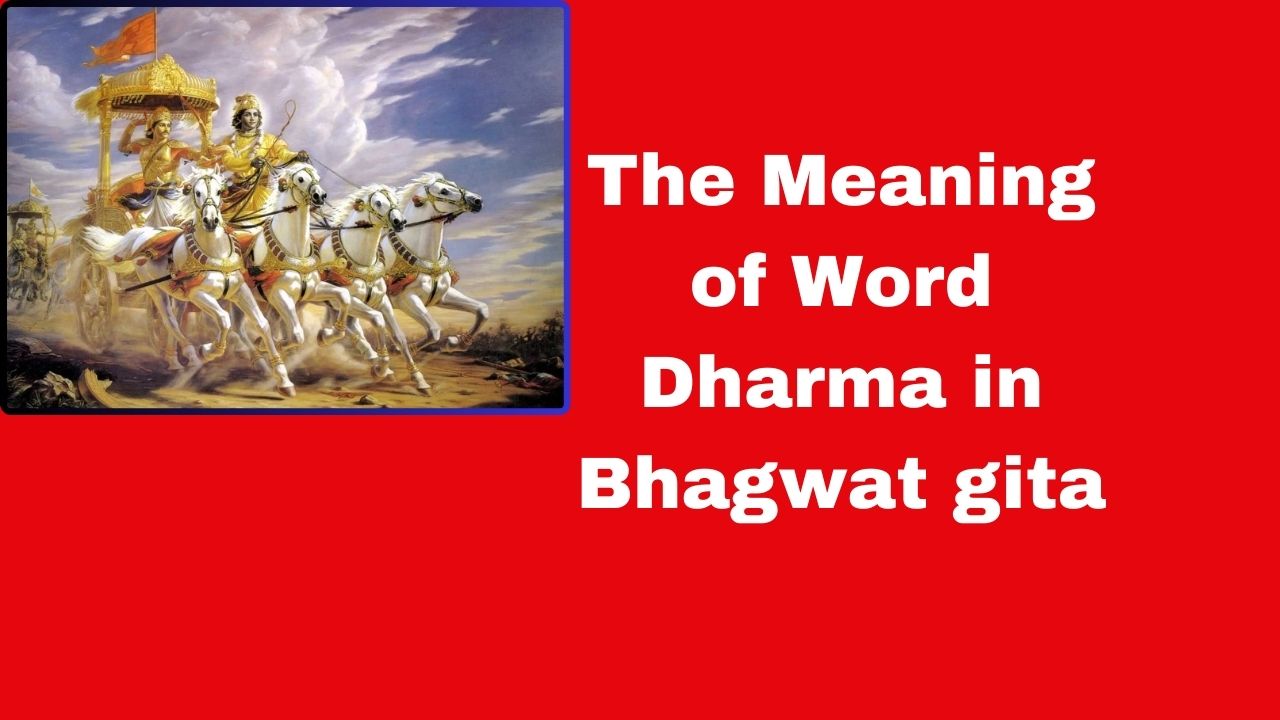
The Meaning of Word Dharma in Bhagwat Gita#
The Bhagavad Gita is one of the most highly respected books of the Hindus. It has been translated into almost every language in the world. It contains 700 shlokas. This text is part of the Mahabharata’s Bhishma Parva, which describes the first day of the battle when Bhishma was the commander-in-chief of the Kauravas. This separate book of 700 shlokas is a conversation between Arjuna and Bhagwan Krishna. It is in a question-and-answer format. Most of the questions were asked by Arjuna, but sometimes Krishna, in turn, asks questions in between and answers them.
Introduction#
The Bhagavad Gita is a treasure trove of wisdom, and at its heart lies the word “Dharma” (धर्म)—a concept that’s anything but simple. Various gurus and commentators, guided by their shraddha (faith), intellectual leanings, and capabilities, offer different interpretations of this word. Some stretch its meaning far beyond the dialogue between two brothers and great friends. Others remove it from the context of Kurukshetra—a battlefield on the brink of a massive disaster just hours after this conversation. Sitting in a gurukul or an air-conditioned room, far from the chaos, and trying to analyze a situation at the onset of war is no easy task.
Picture this: a war-torn field, a confused warrior named Arjuna, and a divine guide from a very close brother and friend, Krishna, dropping life-changing advice. In their conversation, “Dharma” pops up again and again, wearing different hats—sometimes it’s about duty, sometimes it’s righteousness, and other times it’s a personal calling or even the cosmic rulebook. In this article, we’ll dive into all the verses where this word Dharma appears and see how the meaning of “Dharma” shifts. It’s one word, but oh, but more than many Books!
Bhagwat Gita Slokas with word Dharma#
धर्मक्षेत्रे कुरुक्षेत्रे समवेता युयुत्सवः । मामकाः पाण्डवाश्चैव किमकुर्वत सञ्जय ॥1-1॥
कुलक्षये प्रणश्यन्ति कुलधर्माः सनातनाः । धर्मे नष्टे कुलं कृत्स्नमधर्मोऽभिभवत्युत ॥1-40॥
अधर्माभिभवात्कृष्ण प्रदुष्यन्ति कुलस्त्रियः । स्त्रीषु दुष्टासु वार्ष्णेय जायते वर्णसङ्करः ॥1-41॥
दोषैरेतैः कुलघ्नानां वर्णसङ्करकारकैः । उत्साद्यन्ते जातिधर्माः कुलधर्माश्च शाश्वताः ॥1-43॥
उत्सन्नकुलधर्माणां मनुष्याणां जनार्दन । नरके नियतं वासो भवतीत्यनुशुश्रुम ॥1-44॥
कार्पण्यदोषोपहतस्वभावः पृच्छामि त्वां धर्मसम्मूढचेताः । यच्छ्रेयः स्यान्निश्चितं ब्रूहि तन्मे शिष्यस्तेऽहं शाधि मां त्वां प्रपन्नम् ॥2-7॥
स्वधर्ममपि चावेक्ष्य न विकम्पितुमर्हसि । धर्म्याद्धि युद्धाच्छ्रेयोऽन्यत्क्षत्रियस्य न विद्यते ॥2-31॥
अथ चेत्त्वमिमं धर्म्यं सङ्ग्रामं न करिष्यसि । ततः स्वधर्मं कीर्तिं च हित्वा पापमवाप्स्यसि ॥2-33॥
नेहाभिक्रमनाशोऽस्ति प्रत्यवायो न विद्यते । स्वल्पमप्यस्य धर्मस्य त्रायते महतो भयात् ॥2-40॥
श्रेयान्स्वधर्मो विगुणः परधर्मात्स्वनुष्ठितात् । स्वधर्मे निधनं श्रेयः परधर्मो भयावहः ॥3-35॥
यदा यदा हि धर्मस्य ग्लानिर्भवति भारत । अभ्युत्थानमधर्मस्य तदात्मानं सृजाम्यहम् ॥4-7॥
परित्राणाय साधूनां विनाशाय च दुष्कृताम् । धर्मसंस्थापनार्थाय सम्भवामि युगे युगे ॥4-8॥
बलं बलवतां चाहं कामरागविवर्जितम् । धर्माविरुद्धो भूतेषु कामोऽस्मि भरतर्षभ ॥7-11॥
राजविद्या राजगुह्यं पवित्रमिदमुत्तमम् । प्रत्यक्षावगमं धर्म्यं सुसुखं कर्तुमव्ययम् ॥9-2॥
अश्रद्दधानाः पुरुषा धर्मस्यास्य परन्तप । अप्राप्य मां निवर्तन्ते मृत्युसंसारवर्त्मनि ॥9-3॥
ते तं भुक्त्वा स्वर्गलोकं विशालं क्षीणे पुण्ये मर्त्यलोकं विशन्ति । एवं त्रयीधर्ममनुप्रपन्ना गतागतं कामकामा लभन्ते ॥9-21॥
क्षिप्रं भवति धर्मात्मा शश्वच्छान्तिं निगच्छति । कौन्तेय प्रतिजानीहि न मे भक्तः प्रणश्यति ॥9-31॥
त्वमक्षरं परमं वेदितव्यं त्वमस्य विश्वस्य परं निधानम् । त्वमव्ययः शाश्वतधर्मगोप्ता सनातनस्त्वं पुरुषो मतो मे ॥11-18॥
ये तु धर्म्यामृतमिदं यथोक्तं पर्युपासते । श्रद्दधाना मत्परमा भक्तास्तेऽतीव मे प्रियाः ॥12-20॥
इदं ज्ञानमुपाश्रित्य मम साधर्म्यमागताः । सर्गेऽपि नोपजायन्ते प्रलये न व्यथन्ति च ॥14-2॥
ब्रह्मणो हि प्रतिष्ठाहममृतस्याव्ययस्य च । शाश्वतस्य च धर्मस्य सुखस्यैकान्तिकस्य च ॥14-27॥
यया धर्ममधर्मं च कार्यं चाकार्यमेव च । अयथावत्प्रजानाति बुद्धिः सा पार्थ राजसी ॥18-31॥
अधर्मं धर्ममिति या मन्यते तमसावृता । सर्वार्थान्विपरीतांश्च बुद्धिः सा पार्थ तामसी ॥18-32॥
यया तु धर्मकामार्थान्धृत्या धारयतेऽर्जुन । प्रसङ्गेन फलाकाङ्क्षी धृतिः सा पार्थ राजसी ॥18-34॥
श्रेयान्स्वधर्मो विगुणः परधर्मात्स्वनुष्ठितात् । स्वभावनियतं कर्म कुर्वन्नाप्नोति किल्बिषम् ॥18-47॥
सर्वधर्मान्परित्यज्य मामेकं शरणं व्रज । अहं त्वा सर्वपापेभ्यो मोक्षयिष्यामि मा शुचः ॥18-66॥
अध्येष्यते च य इमं धर्म्यं संवादमावयोः । ज्ञानयज्ञेन तेनाहमिष्टः स्यामिति मे मतिः ॥18-70॥
Interpretation of the Dharma in these slokas#
Here’s a concise analysis of the sense in which “Dharma” (धर्म) is used in the specified verses from the Bhagavad Gita, based on context. In summary, “Dharma” in these verses primarily oscillates between personal duty, duty (for family, or caste-specific), righteousness, and traditional customs, spiritual practice, eternal moral order, and Vedic rituals, depending on the context.
1-1: धर्मक्षेत्रे कुरुक्षेत्रे…
- Sense: Justice or Sacred duty or righteousness.
- “Dharmakshetre” refers to Kurukshetra as a field of righteousness, implying a place where a just war or duty is to be performed, where Justice (न्याय) will prevail.
1-40: कुलक्षये प्रणश्यन्ति कुलधर्माः सनातनाः…
- Sense: Family traditions or duties.
- “Kuladharmah” refers to the eternal duties or customs specific to a family lineage.
1-41: अधर्माभिभवात्कृष्ण प्रदुष्यन्ति कुलस्त्रियः…
- Sense: Righteousness (opposite of adharma).
- “Dharma” here contrasts with “adharma” (unrighteousness), indicating moral order or virtue.
1-43: उत्साद्यन्ते जातिधर्माः कुलधर्माश्च शाश्वताः…
- Sense: Caste duties and family duties.
- “Jatidharmah” refers to duties specific to one’s caste, and “kuladharmah” to family traditions.
1-44: उत्सन्नकुलधर्माणां मनुष्याणां जनार्दन…
- Sense: Family duties.
- “Kuladharmanam” again points to the traditional duties or customs of a family.
2-7: कार्पण्यदोषोपहतस्वभावः पृच्छामि त्वां धर्मसम्मूढचेताः…
- Sense: Duty or righteousness.
- “Dharmasammudhachetah” indicates Arjuna’s confusion about what is right or his proper duty in the situation.
2-31: स्वधर्ममपि चावेक्ष्य न विकम्पितुमर्हसि…
- Sense: Personal duty.
- “Svadharma” refers to one’s own duty, specifically Arjuna’s duty as a Kshatriya (warrior) to fight.
2-33: अथ चेत्त्वमिमं धर्म्यं सङ्ग्रामं न करिष्यसि…
- Sense: Righteous war or duty.
- “Dharmyam sangramam” denotes a battle aligned with righteousness or duty.
2-40: नेहाभिक्रमनाशोऽस्ति प्रत्यवायो न विद्यते…
- Sense: Spiritual practice or path of righteousness.
- “Dharmasya” refers to the practice of a righteous or spiritual discipline (here, Karma Yoga).
3-35: श्रेयान्स्वधर्मो विगुणः परधर्मात्स्वनुष्ठितात्…
- Sense: Personal duty.
- “Svadharma” means one’s own duty (specific to one’s nature or role), contrasted with “paradharma” (another’s duty).
4-7: यदा यदा हि धर्मस्य ग्लानिर्भवति भारत…
- Sense: Righteousness.
- “Dharmasya” refers to the universal moral order or righteousness that declines, prompting divine intervention.
- 4-8: परित्राणाय साधूनां विनाशाय च दुष्कृताम्…
- Sense: Righteousness.
- “Dharmasamsthapanarthaya” means the re-establishment of righteousness or moral order.
- 7-11: बलं बलवतां चाहं कामरागविवर्जितम्…
- Sense: Righteousness.
- “Dharmaviruddha” indicates actions or desires not opposed to righteousness or moral law.
- 9-2: राजविद्या राजगुह्यं पवित्रमिदमुत्तमम्…
- Sense: Righteous or spiritual path.
- “Dharmyam” refers to the knowledge or practice aligned with righteousness and spiritual merit.
- 9-3: अश्रद्दधानाः पुरुषा धर्मस्यास्य परन्तप…
- Sense: Spiritual discipline or path.
- “Dharmasya” denotes the path of righteousness or devotion leading to liberation.
- 9-21: ते तं भुक्त्वा स्वर्गलोकं विशालं…
- Sense: Vedic rituals or duties.
- “Trayidharmam” refers to the duties or practices prescribed by the three Vedas (ritualistic religion).
- 9-31: क्षिप्रं भवति धर्मात्मा शश्वच्छान्तिं निगच्छति…
- Sense: Righteous soul.
- “Dharmatma” means a person who embodies righteousness or virtue.
- 11-18: त्वमक्षरं परमं वेदितव्यं…
- Sense: Eternal law or righteousness.
- “Shashvatadharmagopta” refers to Krishna as the protector of the eternal moral order.
- 12-20: ये तु धर्म्यामृतमिदं यथोक्तं पर्युपासते…
- Sense: Righteous or spiritual practice.
- “Dharmyamritam” denotes the nectar-like practice of righteousness or devotion.
14-2: इदं ज्ञानमुपाश्रित्य मम साधर्म्यमागताः…
- Sense: Conformity with divine nature or righteousness.
- “Sadharmyam” means attaining a state aligned with Krishna’s divine righteousness.
14-27: ब्रह्मणो हि प्रतिष्ठाहममृतस्याव्ययस्य च…
- Sense: Eternal righteousness.
- “Shashvatasya dharmasya” refers to the everlasting moral or spiritual order.
18-31: यया धर्ममधर्मं च कार्यं चाकार्यमेव च…
- Sense: Righteousness.
- “Dharmam” refers to what is right or virtuous (contrasted with adharma).
18-32: अधर्मं धर्ममिति या मन्यते तमसावृता…
- Sense: Righteousness.
- “Dharmam” again contrasts with “adharmam,” indicating true moral order misunderstood due to ignorance.
18-34: यया तु धर्मकामार्थान्धृत्या धारयतेऽर्जुन…
- Sense: Duty or righteousness.
- “Dharmakamarthan” refers to the pursuit of duty (righteousness), desire, and wealth.
18-47: श्रेयान्स्वधर्मो विगुणः परधर्मात्स्वनुष्ठितात्…
- Sense: Personal duty.
- “Svadharma” means one’s own duty based on nature, contrasted with “paradharma” (another’s duty).
18-66: सर्वधर्मान्परित्यज्य मामेकं शरणं व्रज…
- Sense: All duties or paths.
- “Sarvadharmān” refers to all forms of duty or religious practices, to be surrendered for devotion to Krishna.
18-70: अध्येष्यते च य इमं धर्म्यं संवादमावयोः…
- Sense: Righteous or spiritual.
- “Dharmyam samvadam” denotes the righteous or sacred dialogue (the Gita itself).
Translation and Commentry on Bhagwat Gita#
is available at https://www.gitasupersite.iitk.ac.in/srimad/
- Hindi Translation By Swami Ramsukhdas
- Hindi Translation By Swami Tejomayananda
- Hindi Translation Of Sri Shankaracharya’s Sanskrit Commentary By Sri Harikrishnadas Goenka
- Sanskrit Commentary By Sri Shankaracharya
- Hindi Commentary By Swami Chinmayananda
- Hindi Commentary By Swami Ramsukhdas
- Sanskrit Commentary By Sri Abhinavgupta
- Sanskrit Commentary By Sri Ramanujacharya
- Sanskrit Commentary By Sri Anandgiri
- Sanskrit Commentary By Sri Jayatirtha
- Sanskrit Commentary By Sri Madhvacharya
- Sanskrit Commentary By Sri Vallabhacharya
- Sanskrit Commentary By Sri Madhusudan Saraswati
- Sanskrit Commentary By Sri Sridhara Swami
- Sanskrit Commentary By Sri Vedantadeshikacharya Venkatanatha
- Sanskrit Commentary By Sri Purushottamji
- Sanskrit Commentary By Sri Neelkanth
- Sanskrit Commentary By Sri Dhanpati
- English Commentary By Swami Sivananda
- English Translation By Swami Sivananda
- English Translation By Purohit Swami
- English Translation By Swami Gambirananda
- English Translation Of Sri Shankaracharya By Swami Gambirananda
- English Translation By Dr. S. Sankaranarayan
- English Translation of Abhinavgupta’s Sanskrit Commentary By Dr. S. Sankaranarayan
- English Translation of Ramanujacharya’s Sanskrit Commentary By Swami Adidevananda
- English Translation By Swami Adidevananda

Comments: