
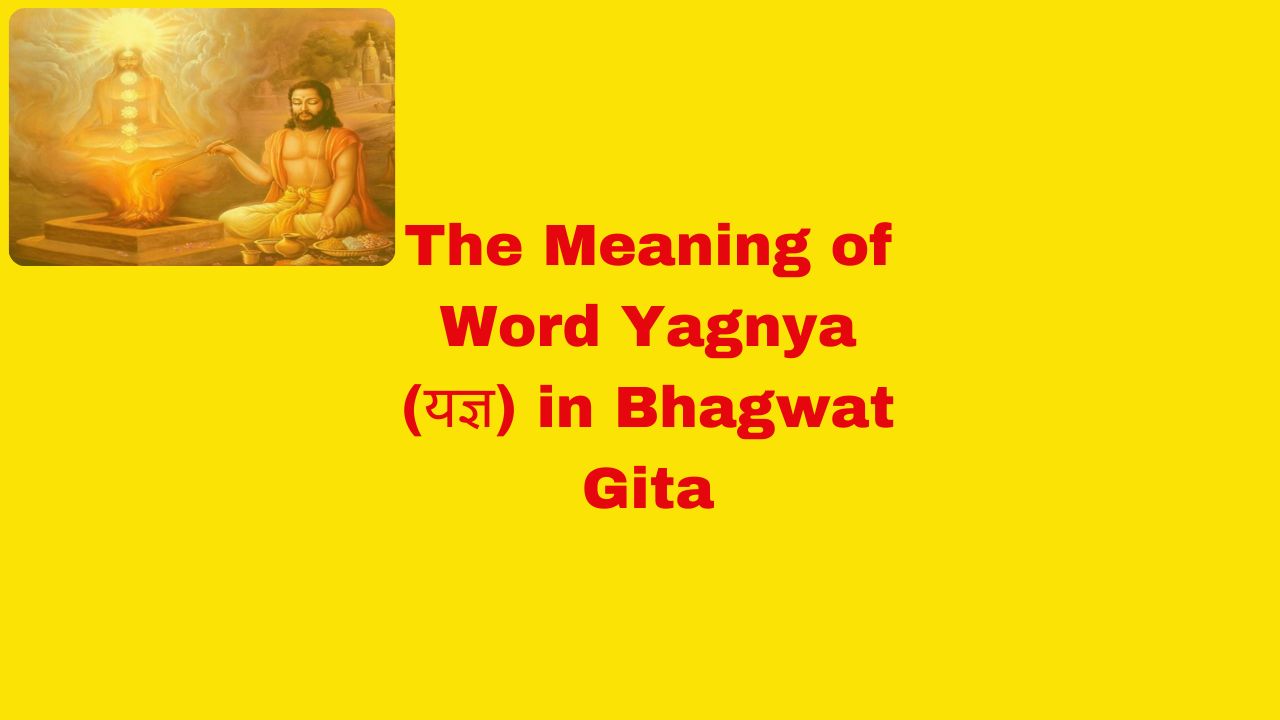
The Meaning of Word Yagnya in Bhagwat Gita#
In the Sanskrit language, there is a word “यज्ञ” (romanized as Yagnya or Yajnya), which closely translates to “sacrifice” in English. However, in a Western sense, it refers to sacrificing or offering something very dear to you to a higher power, God, or a higher cause. In Vedanta, though, it carries multiple meanings, and without understanding Vedic culture and context, one cannot fully grasp this word.
In this article, I have selected only those slokas (verses) from the Bhagavad Gita where the word यज्ञ or its modifications appear. I am intentionally avoiding any commentary on these slokas because the target audience of this article includes those with an interest in Darshan Shastra, Sanskrit, and the Bhagavad Gita, and who can understand Sanskrit fairly well.
Let’s examine these slokas. If you are seeking commentary, you may refer to texts, translations, or commentaries from your own tradition. If you do not have a specific source, you can consult the IIT Kanpur website for commentaries.
These verses help us understand what Yagnya means: what its process entails, when to perform it, why it is done, and why it is important to live life with a Yagnya Bhava (attitude of sacrifice). Is it the goal of life, or is the process of life itself Yagnya?
Bhagwat Gita Verses where word Yagnya “यज्ञ” is used#
सहयज्ञाः प्रजाः सृष्ट्वा पुरोवाच प्रजापतिः । अनेन प्रसविष्यध्वमेष वोऽस्त्विष्टकामधुक् ॥3-10॥
इष्टान्भोगान्हि वो देवा दास्यन्ते यज्ञभाविताः । तैर्दत्तानप्रदायैभ्यो यो भुङ्क्ते स्तेन एव सः ॥3-12॥
यज्ञशिष्टाशिनः सन्तो मुच्यन्ते सर्वकिल्बिषैः । भुञ्जते ते त्वघं पापा ये पचन्त्यात्मकारणात् ॥3-13॥
अन्नाद्भवन्ति भूतानि पर्जन्यादन्नसम्भवः । यज्ञाद्भवति पर्जन्यो यज्ञः कर्मसमुद्भवः ॥3-14॥
कर्म ब्रह्मोद्भवं विद्धि ब्रह्माक्षरसमुद्भवम् । तस्मात्सर्वगतं ब्रह्म नित्यं यज्ञे प्रतिष्ठितम् ॥3-15॥
गतसङ्गस्य मुक्तस्य ज्ञानावस्थितचेतसः । यज्ञायाचरतः कर्म समग्रं प्रविलीयते ॥4-23॥
दैवमेवापरे यज्ञं योगिनः पर्युपासते । ब्रह्माग्नावपरे यज्ञं यज्ञेनैवोपजुह्वति ॥4-25॥
द्रव्ययज्ञास्तपोयज्ञा योगयज्ञास्तथापरे । स्वाध्यायज्ञानयज्ञाश्च यतयः संशितव्रताः ॥4-28॥
अपरे नियताहाराः प्राणान्प्राणेषु जुह्वति । सर्वेऽप्येते यज्ञविदो यज्ञक्षपितकल्मषाः ॥4-30॥
यज्ञशिष्टामृतभुजो यान्ति ब्रह्म सनातनम् । नायं लोकोऽस्त्ययज्ञस्य कुतोऽन्यः कुरुसत्तम ॥4-31॥
एवं बहुविधा यज्ञा वितता ब्रह्मणो मुखे । कर्मजान्विद्धि तान्सर्वानेवं ज्ञात्वा विमोक्ष्यसे ॥4-32॥
श्रेयान्द्रव्यमयाद्यज्ञाज्ज्ञानयज्ञः परन्तप । सर्वं कर्माखिलं पार्थ ज्ञाने परिसमाप्यते ॥4-33॥
साधिभूताधिदैवं मां साधियज्ञं च ये विदुः । प्रयाणकालेऽपि च मां ते विदुर्युक्तचेतसः ॥7-30॥
अधियज्ञः कथं कोऽत्र देहेऽस्मिन्मधुसूदन । प्रयाणकाले च कथं ज्ञेयोऽसि नियतात्मभिः ॥8-2॥
अधिभूतं क्षरो भावः पुरुषश्चाधिदैवतम् । अधियज्ञोऽहमेवात्र देहे देहभृतां वर ॥8-4॥
वेदेषु यज्ञेषु तपःसु चैव दानेषु यत्पुण्यफलं प्रदिष्टम् । अत्येति तत्सर्वमिदं विदित्वा योगी परं स्थानमुपैति चाद्यम् ॥8-28॥
अहं क्रतुरहं यज्ञः स्वधाहमहमौषधम् । मन्त्रोऽहमहमेवाज्यमहमग्निरहं हुतम् ॥9-16॥
त्रैविद्या मां सोमपाः पूतपापा यज्ञैरिष्ट्वा स्वर्गतिं प्रार्थयन्ते । ते पुण्यमासाद्य सुरेन्द्रलोक-मश्नन्ति दिव्यान्दिवि देवभोगान् ॥9-20॥
अहं हि सर्वयज्ञानां भोक्ता च प्रभुरेव च । न तु मामभिजानन्ति तत्त्वेनातश्च्यवन्ति ते ॥9-24॥
महर्षीणां भृगुरहं गिरामस्म्येकमक्षरम् । यज्ञानां जपयज्ञोऽस्मि स्थावराणां हिमालयः ॥10-25॥
न वेदयज्ञाध्ययनैर्न दानैर्- न च क्रियाभिर्न तपोभिरुग्रैः । एवंरूपः शक्य अहं नृलोके द्रष्टुं त्वदन्येन कुरुप्रवीर ॥11-48॥
आत्मसम्भाविताः स्तब्धा धनमानमदान्विताः । यजन्ते नामयज्ञैस्ते दम्भेनाविधिपूर्वकम् ॥16-17॥
आहारस्त्वपि सर्वस्य त्रिविधो भवति प्रियः । यज्ञस्तपस्तथा दानं तेषां भेदमिमं शृणु ॥17-7॥
अफलाङ्क्षिभिर्यज्ञो विधिदृष्टो य इज्यते । यष्टव्यमेवेति मनः समाधाय स सात्त्विकः ॥17-11॥
अभिसन्धाय तु फलं दम्भार्थमपि चैव यत् । इज्यते भरतश्रेष्ठ तं यज्ञं विद्धि राजसम् ॥17-12॥
विधिहीनमसृष्टान्नं मन्त्रहीनमदक्षिणम् । श्रद्धाविरहितं यज्ञं तामसं परिचक्षते ॥17-13॥
ॐतत्सदिति निर्देशो ब्रह्मणस्त्रिविधः स्मृतः । ब्राह्मणास्तेन वेदाश्च यज्ञाश्च विहिताः पुरा ॥17-23॥
तस्मादोमित्युदाहृत्य यज्ञदानतपःक्रियाः । प्रवर्तन्ते विधानोक्ताः सततं ब्रह्मवादिनाम् ॥17-24॥
तदित्यनभिसन्धाय फलं यज्ञतपःक्रियाः । दानक्रियाश्च विविधाः क्रियन्ते मोक्षकाङ्क्षिभिः ॥17-25॥
यज्ञे तपसि दाने च स्थितिः सदिति चोच्यते । कर्म चैव तदर्थीयं सदित्येवाभिधीयते ॥17-27॥
त्याज्यं दोषवदित्येके कर्म प्राहुर्मनीषिणः । यज्ञदानतपःकर्म न त्याज्यमिति चापरे ॥18-3॥
यज्ञदानतपःकर्म न त्याज्यं कार्यमेव तत् । यज्ञो दानं तपश्चैव पावनानि मनीषिणाम् ॥18-5॥
Translation and Commentry on Bhagwat Gita#
is available at https://www.gitasupersite.iitk.ac.in/srimad/
- Hindi Translation By Swami Ramsukhdas
- Hindi Translation By Swami Tejomayananda
- Hindi Translation Of Sri Shankaracharya’s Sanskrit Commentary By Sri Harikrishnadas Goenka
- Sanskrit Commentary By Sri Shankaracharya
- Hindi Commentary By Swami Chinmayananda
- Hindi Commentary By Swami Ramsukhdas
- Sanskrit Commentary By Sri Abhinavgupta
- Sanskrit Commentary By Sri Ramanujacharya
- Sanskrit Commentary By Sri Anandgiri
- Sanskrit Commentary By Sri Jayatirtha
- Sanskrit Commentary By Sri Madhvacharya
- Sanskrit Commentary By Sri Vallabhacharya
- Sanskrit Commentary By Sri Madhusudan Saraswati
- Sanskrit Commentary By Sri Sridhara Swami
- Sanskrit Commentary By Sri Vedantadeshikacharya Venkatanatha
- Sanskrit Commentary By Sri Purushottamji
- Sanskrit Commentary By Sri Neelkanth
- Sanskrit Commentary By Sri Dhanpati
- English Commentary By Swami Sivananda
- English Translation By Swami Sivananda
- English Translation By Purohit Swami
- English Translation By Swami Gambirananda
- English Translation Of Sri Shankaracharya By Swami Gambirananda
- English Translation By Dr. S. Sankaranarayan
- English Translation of Abhinavgupta’s Sanskrit Commentary By Dr. S. Sankaranarayan
- English Translation of Ramanujacharya’s Sanskrit Commentary By Swami Adidevananda
- English Translation By Swami Adidevananda

Comments: